
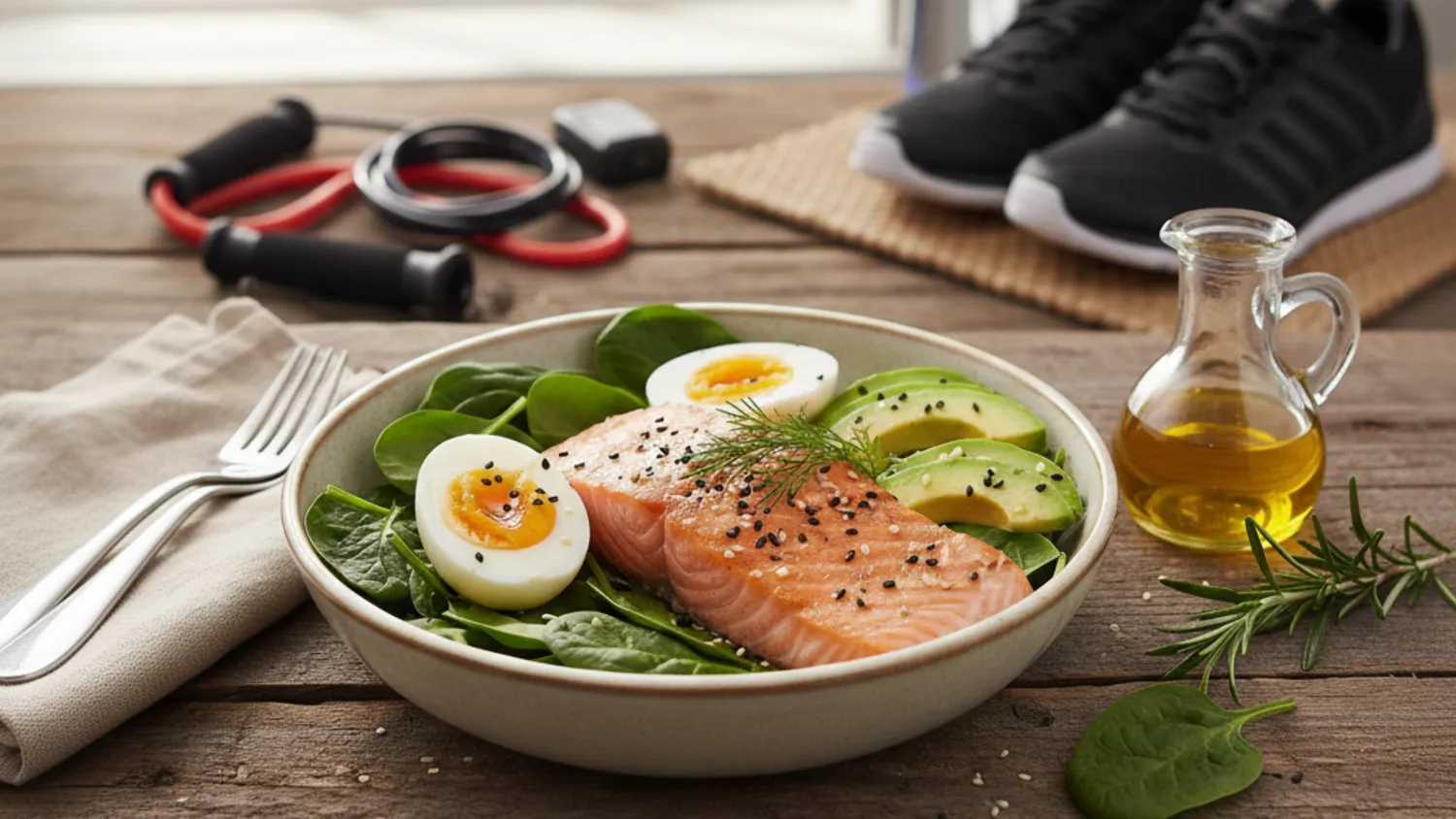
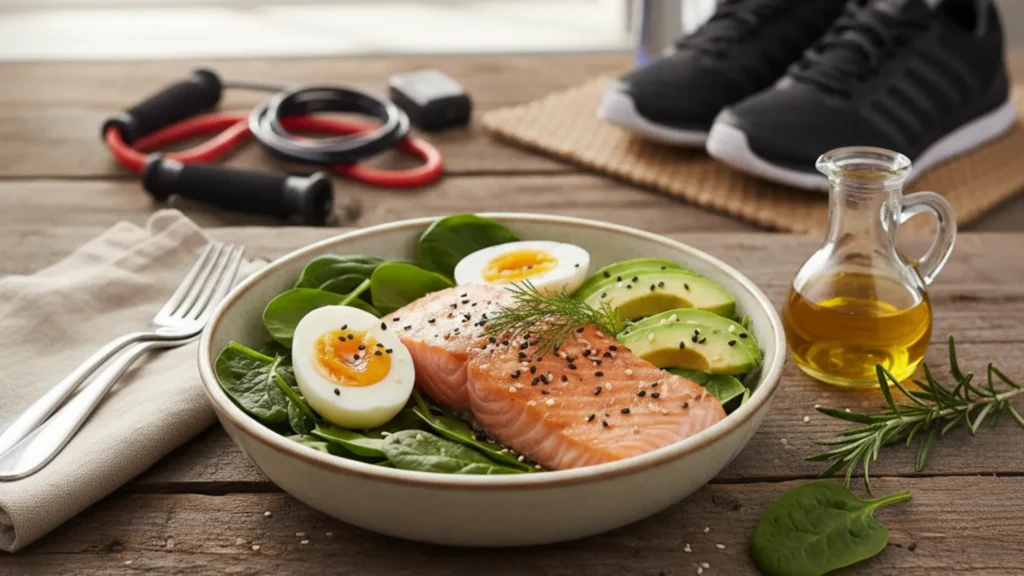
The Ultimate Guide to Keto Diet: Transform Your Fitness Journey
What is the Keto Diet?
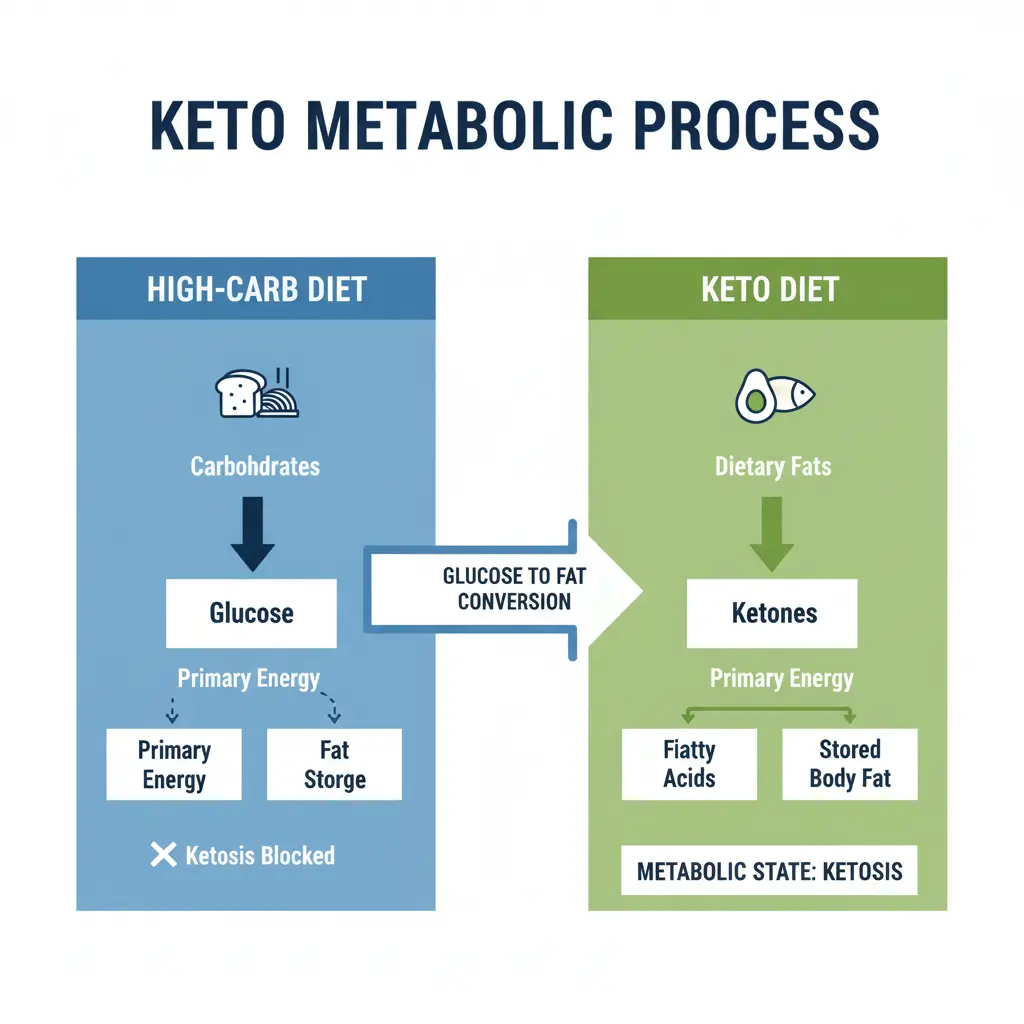
The Keto Diet, short for Ketogenic Diet, is a high-fat, low-carbohydrate eating plan designed to shift your body’s metabolism from burning glucose (sugar) to burning fat for fuel. This process is called ketosis, where your body produces small fuel molecules known as ketones in the liver — providing energy for your brain and muscles.
Unlike fad diets that come and go, the keto diet has been around for decades, originally developed to treat epilepsy. Today, it’s become one of the most popular nutrition strategies for fat loss, muscle preservation, and improved mental focus — especially among fitness enthusiasts and gym-goers.
How the Keto Diet Works: Science Behind Fat Burning
When you follow a typical diet rich in carbs, your body converts them into glucose — your primary energy source. However, by drastically reducing carb intake (usually under 50 grams per day), your body runs out of glucose and begins breaking down stored fat into ketones for energy.
This metabolic switch offers multiple benefits:
- Fat Loss: The body taps into fat reserves efficiently.
- Stable Energy: No more sugar crashes or energy dips.
- Mental Clarity: Ketones provide a steady fuel source for the brain.
- Reduced Hunger: High-fat meals promote satiety and reduce cravings.
Keto Diet and Gym Performance
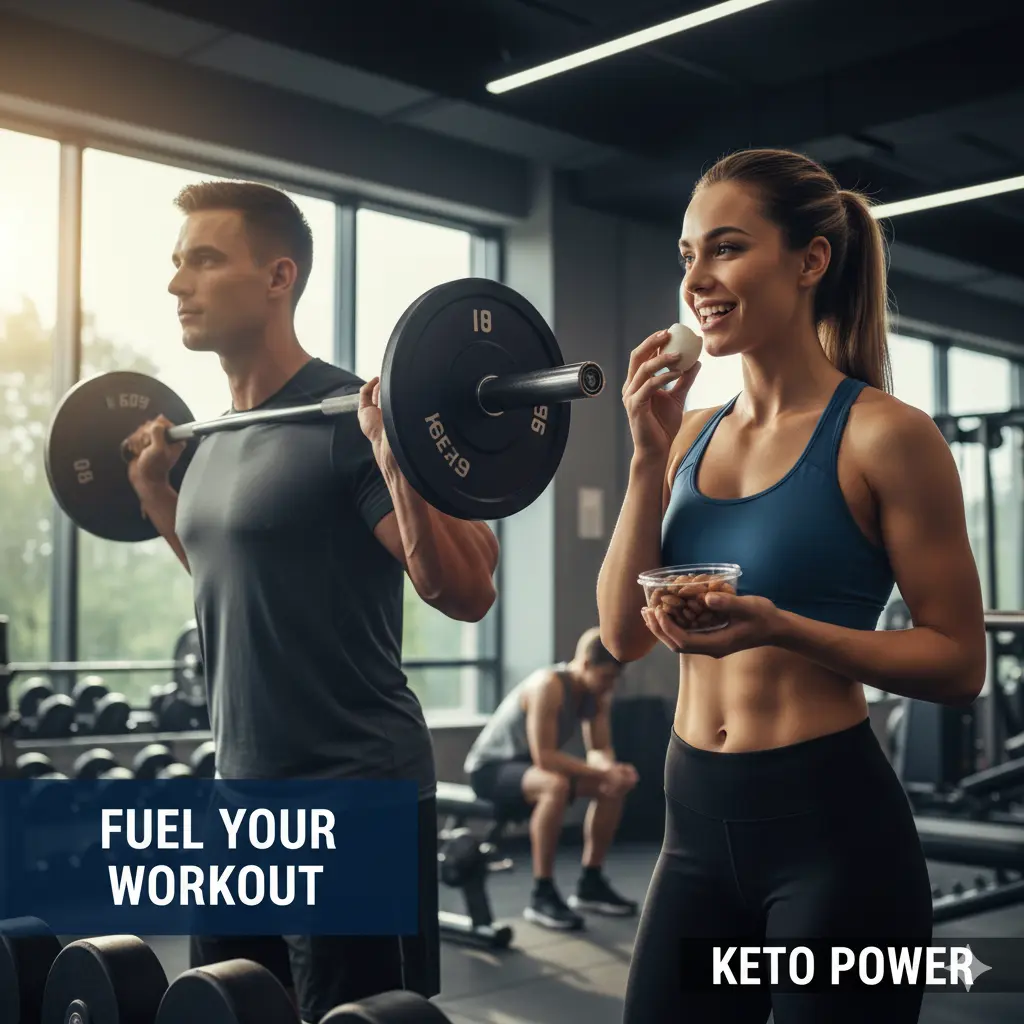
Many gym members wonder whether a low-carb diet can support intense workouts. The short answer: Yes — with some adaptation.
During the first week of switching to keto, you might experience the “keto flu” — fatigue, headache, or dizziness — as your body adjusts. But once you adapt, most people report consistent energy, better endurance, and faster recovery between workouts.
Benefits for Gym-Goers:
- Enhanced Fat Burning: Ideal for cutting phases or fat-loss programs.
- Preserved Muscle Mass: Ketones help maintain lean muscle even with calorie deficits.
- Improved Focus: Perfect for long training sessions.
- Reduced Inflammation: Faster recovery and less joint pain.
What to Eat on a Keto Diet
The goal is to eat foods that are high in healthy fats, moderate in protein, and very low in carbohydrates.
✅ Keto-Friendly Foods:
- Healthy Fats: Avocado, olive oil, coconut oil, butter, nuts, seeds.
- Proteins: Eggs, poultry, beef, salmon, tuna.
- Low-Carb Vegetables: Spinach, kale, broccoli, cauliflower, zucchini.
- Dairy: Cheese, heavy cream, Greek yogurt.
- Beverages: Water, green tea, black coffee, bone broth.
🚫 Foods to Avoid:
- Sugar, honey, pastries, bread, rice, pasta.
- High-carb fruits (bananas, apples, grapes).
- Processed snacks and sodas.
Common Mistakes to Avoid on Keto
While the Keto Diet is powerful, many people stumble due to small errors. Avoid these common pitfalls:
- Not Eating Enough Fat: Fat is your new fuel; don’t fear it.
- Overeating Protein: Excess protein can convert into glucose (via gluconeogenesis).
- Skipping Electrolytes: Add salt, magnesium, and potassium to prevent cramps.
- Lack of Water: Keto increases water loss — hydration is key.
- Expecting Instant Results: The adaptation phase takes 2–3 weeks.